History
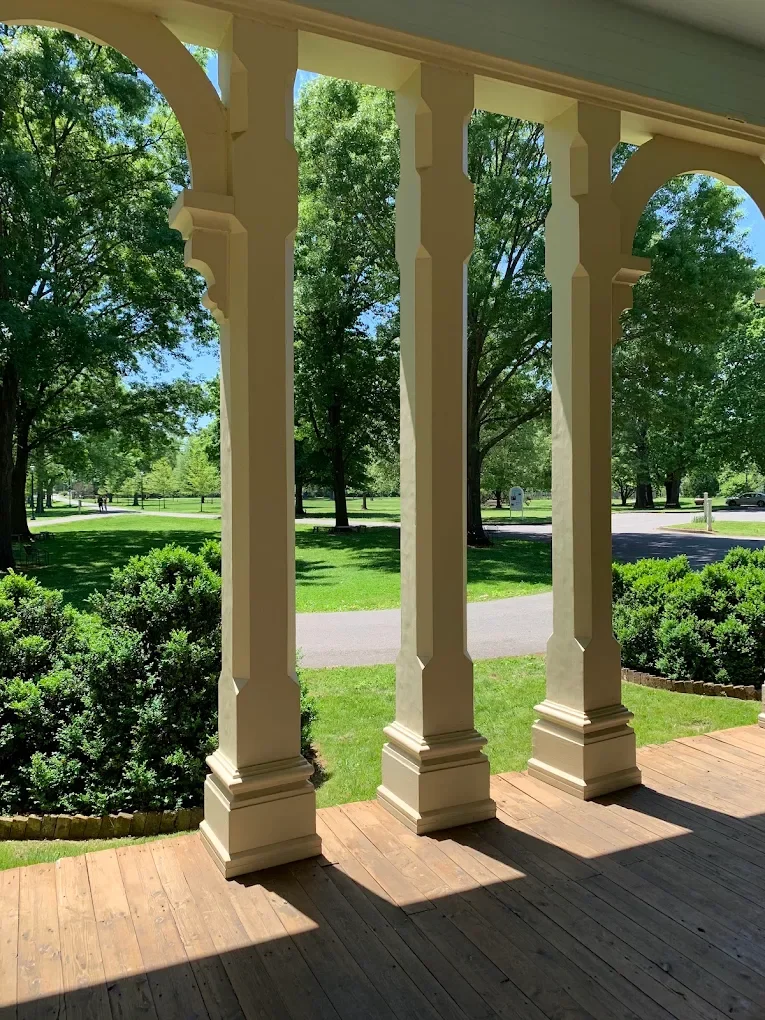
Oaklands Mansion began in the late 1810s when Dr. James Maney and his wife, Sallie Murfree Maney, moved to Murfreesboro, Tennessee where they would build their two-room brick home. Over the following decades, they expanded the residence into an elegant Federal-style mansion and added a two-story rear ell to support the growing family. By the late 1850s, the estate passed to Lewis and Rachel Adeline Maney, who commissioned local architect Richard Sanders to add a grand Italianate front facade with an iconic arched entrance and verandah, creating the structure seen today.
During the Civil War, the plantation served as a site of conflict and care, hosting wounded Union soldiers as an impromptu hospital following the 1862 Raid on Murfreesboro, and accommodating high-profile figures such as Confederate President Jefferson Davis. The aftermath of the war and the emancipation of enslaved laborers caused severe financial strain, leading the family to sell off land and eventually lose the estate at auction in 1884. After passing through several private owners—including the Swoope, Darrow, Roberts, and Jetton families—the mansion sat vacant during the 1950s and was slated for demolition. In 1959, a group of ten local women formed the Oaklands Association, purchased the property for one dollar, and successfully restored it into the historic house museum that operates today.
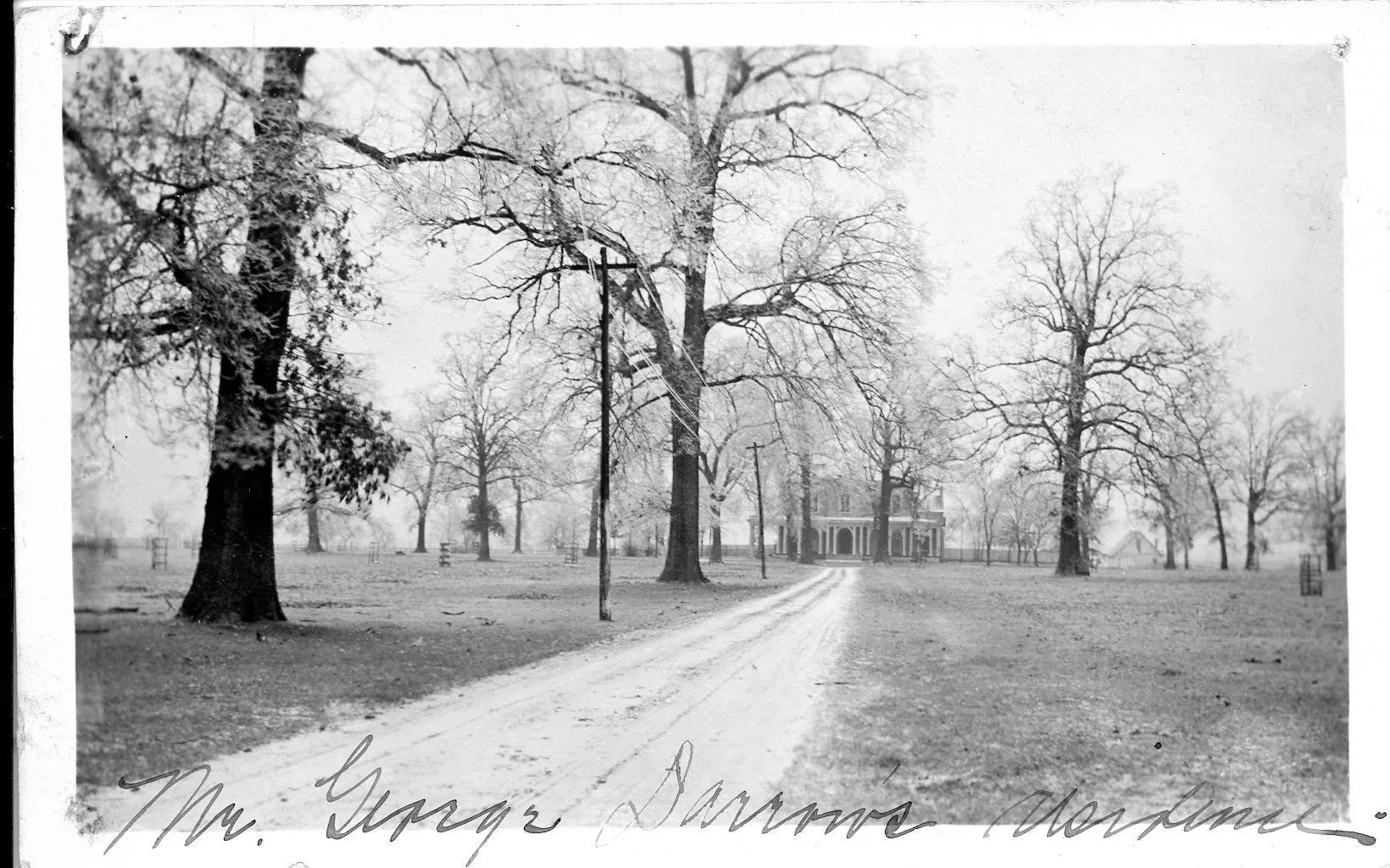
The earliest known photograph of Oaklands Mansion was taken in the winter time, circa 1888, and reads “Mr. George Darrow’s residence.”